







Search Results for: coffee bean hopper
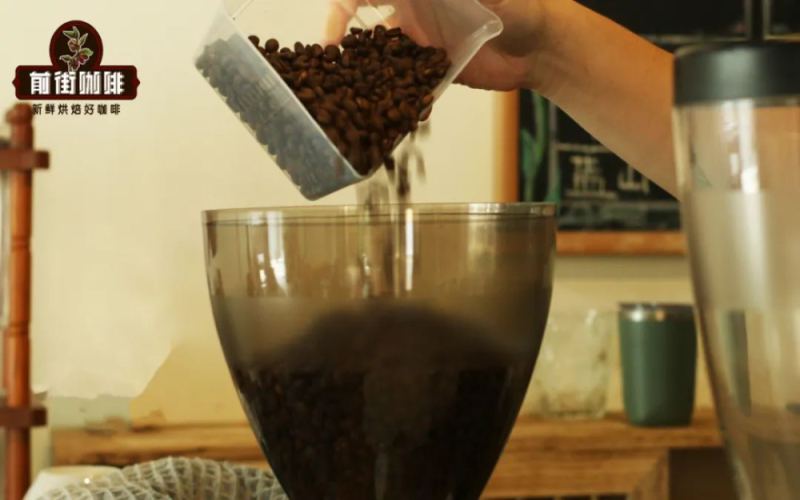
Analysis of the Impact of Espresso Grinder Hopper Bean Level on Espresso Extraction
In espresso preparation, baristas often require the bean hopper to be kept nearly full, but what principle lies behind this? How do changes in hopper pressure affect the uniformity of coffee grinding, and in turn alter the flavor expression of espresso? Starting from the internal structure of the grinder, this article explains the mechanism by which hopper pressure forms and its impact on extraction, and, combined with comparative experiments by Front Street Coffee, presents the actual differences in espresso between a full hopper and a less-than-full hopper. For home users who do not pull shots continuously, is it also necessary to pay attention to this detail? Read the full article, and you will get a clear answer. [more…]
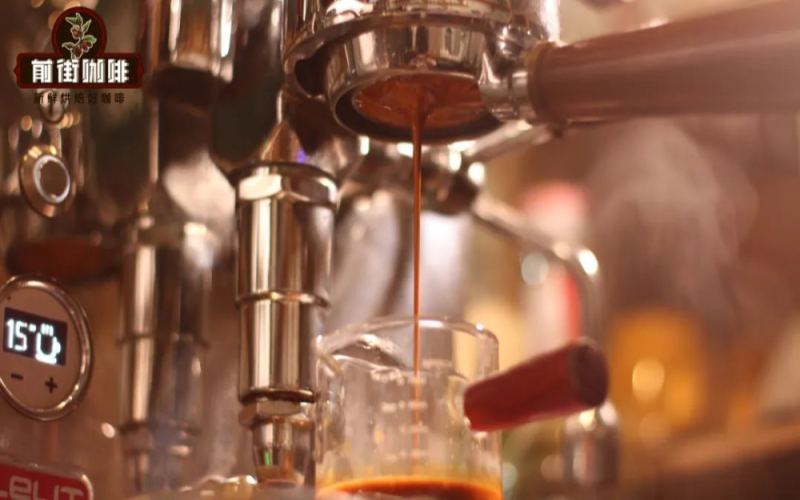
Analysis of Three Major Causes of Abnormal Espresso Flow Rate: Grind Retention Differences, Burr Temperature Rise Effects, and Boiler Load Issues
Same beans, same grind setting and dose—so why does the espresso extraction time keep swinging between fast and slow? Many coffee lovers have run into this puzzle. Drawing on Front Street Coffee's hands-on experience, this article systematically breaks down three common causes of extraction differences: the grind discrepancy between tamping and not tamping, the temperature rise effect after the burrs run continuously, and the load problem when the espresso machine's boiler is extracting and steaming milk at the same time. Understanding these variables will help you control extraction stability more precisely in your daily brewing. [more…]
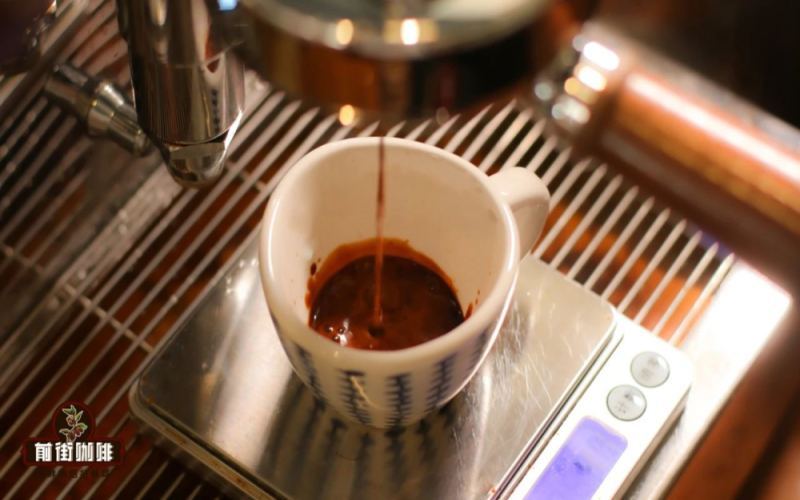
Exploring the Root Causes of Espresso Extraction Flow Rate Variation: The Impact of Grinder Hopper Pressure on Coffee Flavor Stability
In the daily operation of a coffee shop, many baristas have encountered this troubling issue: an espresso extraction recipe that was just calibrated in the morning gradually speeds up as more shots are pulled, with the time running several seconds shorter than the preset parameters. This unstable extraction phenomenon is often closely related to pressure changes inside the bean hopper of an espresso grinder. Front Street Coffee has observed in daily practice that the amount of coffee beans piled in the hopper directly affects the uniformity of grind particle size, which in turn changes the extraction rhythm and flavor performance of espresso. This article will take an in-depth look at how hopper pressure affects grind quality, explain the underlying logic behind fluctuations in extraction flow rate, and share practical adjustment ideas for stable output, helping coffee enthusiasts and professionals better understand variable control in espresso extraction. [more…]

Why Does a Quantitative Coffee Grinder Still Need Dosing by Weight? Analyzing How Hopper Pressure, Retention, and Grind Adjustment Affect Output Weight
Many coffee enthusiasts wonder: since a quantitative grinder can set the output weight or time, why weigh the grounds again after grinding? This article explains the reasons why quantitative grinders still produce errors from four aspects: hopper pressure changes, differences in coffee bean gaps, the influence of residual grounds, and output fluctuations after adjusting the grind. At the same time, combined with Front Street Coffee's actual usage experience, it explains that re-weighing the grounds is not only to ensure accurate grams and avoid affecting extraction, but also to facilitate timely adjustment when flavor deviations occur. What the quantitative function truly saves is operating time, rather than completely replacing the weighing step. [more…]

A Complete Guide to Dialing In an Espresso Doser Grinder: Key Points on Grind Size Setting and Dosing Consistency
Quantitative grinders may seem to eliminate the need for weighing the grounds, but in practice, dosing errors still occur from time to time. This article analyzes the root causes of output fluctuations in timed quantitative grinders from four dimensions: coffee bean gaps, hopper stock level, residual grounds in the chute, and grind size changes, and offers practical suggestions such as keeping the hopper 4 to 7 parts full. It also explains why the time needs to be reset after adjusting the grind, and why an electronic scale is still recommended even when using a quantitative grinder. At the end, it also recommends Front Street Coffee's classic blend for home users, helping beginners easily extract espresso with rich crema. [more…]
The Flavor Countdown in the Bean Hopper of a Fully Automatic Coffee Machine
From the moment coffee beans finish roasting, their aroma is constantly changing. Right after roasting, they contain more carbon dioxide, then they enter a stage where the aroma opens up and the sweetness becomes clear, before gradually leveling off. Although fully automatic coffee machines are convenient to operate, when the beans go into the hopper still affects the crema, intensity, and aroma in the cup. On the packaging [more…]
Espresso Dialing-In in Practice: Master Three Key Details to Easily Calibrate Extraction Parameters and Ratios in Three Shots
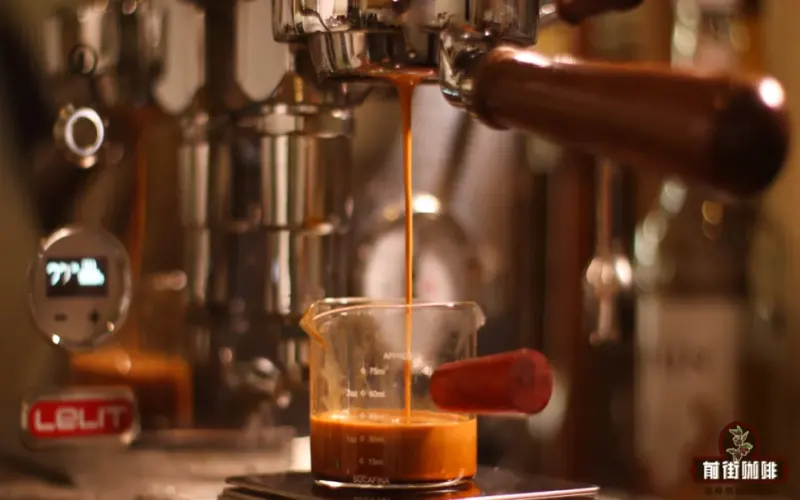
Every barista wants to quickly dial in espresso to the ideal state at the start of a shift, and the "three-shot dialing method" is precisely an efficient approach based on the underlying logic of extraction. However, merely understanding the principles of extraction is not enough. In actual practice, there are often easily overlooked details that affect judgment, leading to the waste of a large amount of coffee beans before calibration is achieved. In this article, Front Street will share three key points to note: the impact of hopper fill level on grinding consistency, how to identify and address grinding channel blockage, and how to make fine adjustments through dose or yield beyond adjusting the grind. Mastering these details, combined with a correct understanding of extraction, will make it easier to dial in espresso within three shots. [more…]
Uncovering the Hidden Factors Behind Unstable Espresso Extraction: How Residual Grounds, Water Temperature, Pressure, Environment, and Chamber Pressure Affect the Flow
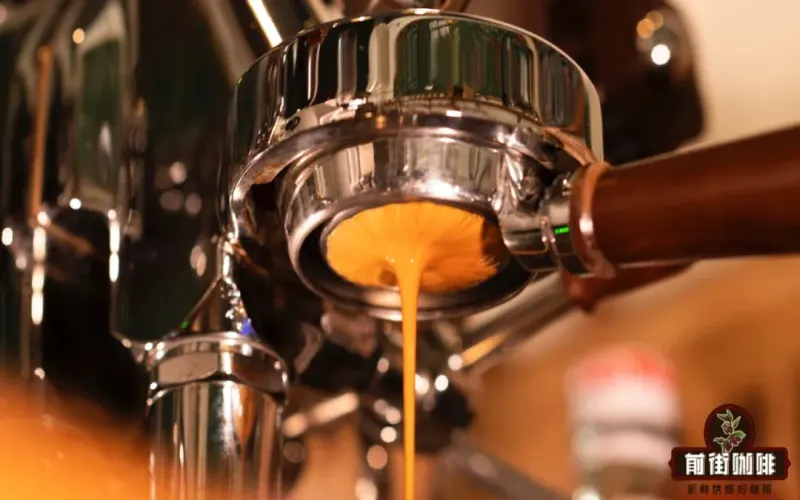
Many coffee enthusiasts will notice that with the same beans and the same machine, the flow rate of espresso can change every few hours or even every few dozen minutes, sometimes fast and sometimes slow. Beyond the aging characteristics of the coffee beans themselves, there are actually quite a few easily overlooked hidden factors influencing the extraction results, including residual grounds in the grinder's chute, temperature fluctuations in the espresso machine's hot water, the state of the pump pressure, changes in ambient temperature, humidity and air pressure, and whether the grinder's hopper pressure remains stable in a café setting. Front Street will analyze these factors' mechanisms of influence on espresso extraction one by one, and provide corresponding improvement solutions to help everyone reduce unnecessary adjustments and make their output more consistent. [more…]
Why does iced Americano made from the same beans taste different? Analyzing the four major variables affecting espresso extraction and the preparation standards
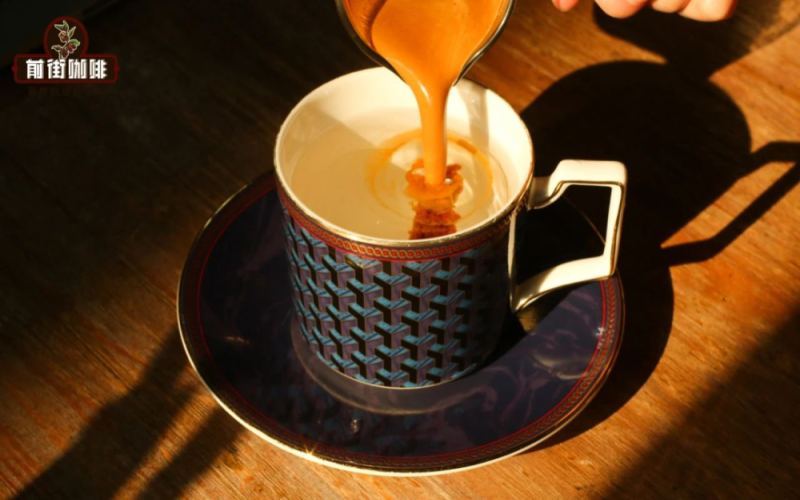
When you order an iced Americano at a café, sometimes the taste feels a little different from last time—same shop, same beans, yet the fruity acidity, body, and aroma may shift subtly. This difference is not an illusion, but the result of multiple variables working together: the resting state of the coffee beans, weather and humidity, hopper pressure, and temperature changes in the grinder during continuous shots. This article will break down these factors affecting espresso extraction one by one, and explain the parameters and logic behind making a standard iced Americano, helping coffee lovers understand the espresso system behind a delicious cup. [more…]
The Complete Espresso Extraction Process: Eight Key Details from Grinding to Serving That You Can't Overlook
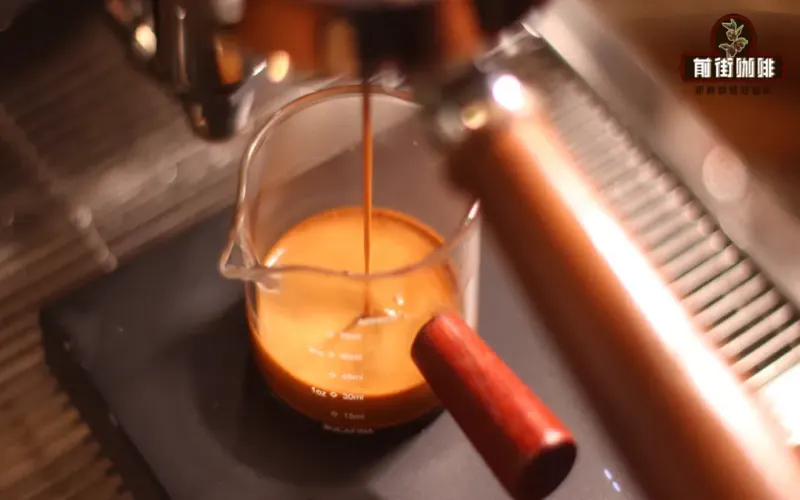
An espresso from grinding to extraction often takes less than a minute; it seems simple, but in fact it hides quite a few subtleties. Many enthusiasts finally find an ideal set of extraction parameters during their morning dial-in, only to overlook details in subsequent operations, resulting in inconsistent output and a greatly diminished flavor. This article follows the actual order of operations and goes through, one by one, the easily overlooked points in eight stages: puck pressure, portafilter basket cleaning, observing the grounds condition, distribution and tamping, pre-flushing, knocking the portafilter, extraction timing, and cleanup afterward, helping everyone consistently get full-flavored, parameter-stable espresso on a home espresso machine. [more…]
The Complete Espresso Extraction Process: Espresso Grinder Cleaning and Analysis of Eight Key Details
An espresso, from grinding to extraction, often takes less than a minute. It seems simple, but in reality it hides many variables that affect flavor. At Front Street, we repeatedly emphasize in our daily preparation that even if a perfect set of extraction parameters has been locked in during morning calibration, the final cup can still be greatly compromised if any operational step is slightly neglected. This article focuses on the complete process of making espresso with an espresso machine, sorting out one by one eight easily overlooked details—from hopper pressure, portafilter basket cleaning, and observing the grounds output, to distribution and tamping, pre-flushing, knocking the portafilter, extraction timing, and post-use cleaning—to help coffee lovers achieve consistent results and continually obtain the ideal espresso flavor. [more…]

Why does an iced Americano from the same beans taste good one time and bad another? Four major variables shape the flavor of the Americano in your hand.
The same shop, the same beans, yet the americano can often come out tasting like two completely different cups—Front Street Coffee's store received exactly this kind of feedback from customers this week. The article starts with the minimalist essence of the americano: "espresso diluted with water." Since the recipe is fixed and water has no flavor of its own, any variation can only come from the espresso itself. It then breaks down, one by one, four variables that are often overlooked: the resting rhythm and ongoing degassing of the coffee beans, the interference of rainy, high-humidity weather with grinding and pressurization, particle size drift caused by hopper pressure, and the heat effects of a grinder running nonstop. It also includes the actual brewing parameters and bean-resting experience for Front Street Coffee's Warm Sun beans, helping you understand the story behind the flavor ups and downs of a single cup of iced americano. [more…]

During the humid season, espresso extraction becomes unstable? A barista teaches you three ways to adjust the parameters.
Guangzhou's "hui nan tian" (return of the southern damp) has arrived, with walls sweating, floors never drying, and coffee beans facing a moisture crisis. A surge in humidity directly affects the stability of espresso extraction: beans in the hopper absorb moisture and clump together, water vapor interference during grinding intensifies, and as air pressure drops, the espresso machine's extraction pressure slightly decreases, ultimately leading to weaker flavor and longer shot times. How should baristas respond to such harsh weather? This article approaches the problem from three angles—reducing moisture absorption, solving clumping, and adjusting parameters—and combines Front Street Coffee's hands-on experience to offer concrete, actionable solutions that help you pull a stable, delicious espresso even in the humid season. [more…]
The Four Major Factors Affecting Iced Americano Flavor: From Bean Resting to Continuous Pouring—Can Single-Origin Beans Make Iced Coffee?
At the same shop, with the same beans, why does the taste of iced americano vary from good to bad? Starting from a real conversation at a Front Street location, this article breaks down the logic behind americano coffee "losing its flavor." The article points out that although an americano is simply espresso plus water, the extraction state of the espresso itself can be affected by factors such as bean resting time, weather changes, hopper pressure, and continuous pulling of shots, leading to fluctuations in flavor and strength. At the same time, the article also addresses the question of "whether single-origin coffee beans can be used to make iced coffee." By understanding these variables, coffee enthusiasts can gain a more comprehensive understanding of the espresso coffee system and discover more possibilities in a cup of iced americano through products such as Front Street's Warm Sun Blend. [more…]

Starbucks' New Drinks No Longer Offer Decaf Espresso, and the Reasons Relate to the Launch of Blonde Roast Beans and Equipment Limitations
For consumers who are sensitive to caffeine but unwilling to give up the flavor of coffee, decaf options have always been an important selling point for chain brands, and Starbucks, with its rich product line and convenient decaf checkbox feature, has become the top choice for this group. However, recently many customers have noticed that many Starbucks stores in China have quietly removed the decaf espresso option from new products, and those who want decaf coffee can only choose from a fixed selection of classic products. This change has caused confusion and dissatisfaction among the decaf-demand group. What exactly caused the stores to make this adjustment? According to informed partners, this is directly related to the Golden Roast beans launched two months ago and the bean hopper configuration of the stores' coffee machines. This article will sort out the course of the incident, consumer feedback, and the equipment limitations behind it, and explain which stores can still normally provide decaf new products. [more…]
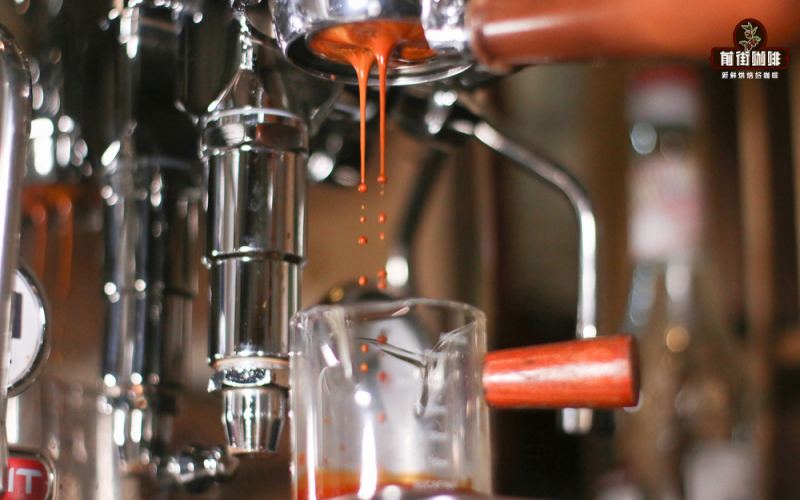
Espresso Extraction Parameters | What is the golden extraction ratio for espresso? What are the specific steps for extracting espresso?
Front Street Coffee has always emphasized that the extraction parameters for pour-over coffee have a significant impact on the cup, and for espresso the impact is even greater. You should know that factors such as the concentration and extraction time of espresso are more demanding than those of pour-over coffee, and the slightest [more…]
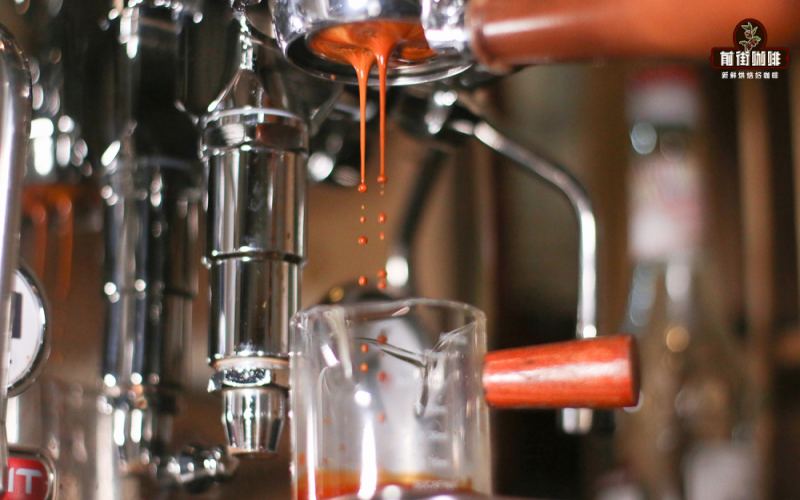
A Comprehensive Analysis of Espresso Extraction: Water-to-Coffee Ratio, Golden Parameters, and Key Operational Points Explained
The extraction of espresso is extremely sensitive to parameters, with dose, brew ratio, time, flow rate, pressure, and temperature all interconnected; the slightest deviation is magnified exponentially in the flavor. This article systematically sorts out the core logic of various espresso extraction parameters, analyzing the matching of basket capacity and dose, the liquid weight ratio range of 1:1.5 to 1:2.5, the extraction window of 20 to 30 seconds, as well as common issues such as grind size and channeling. It also details operational specifics like weighing the dose, distributing the grounds, tamping, and cleaning. At the end, Front Street Coffee recommends a classic espresso blend to help you consistently produce delicious espresso at home. [more…]
How to Adjust the Grind Size for Espresso? A Complete Parameter Guide from Dose and Ratio to Flow Rate
Espresso extraction is far more sensitive than pour-over, and any slight deviation in parameters will be multiplied in the flavor. Drawing on the practical experience of Front Street Coffee, this article systematically outlines the six core variables that affect espresso extraction—dose, brew ratio, extraction time, flow rate, extraction pressure, and extraction temperature—to help you understand how grind size should be adjusted and judged. At the same time, the article also explains in depth operational details such as weighing the grounds, distributing the grounds, tamping, machine extraction, and cleaning, and analyzes easily overlooked issues such as retained grounds and dosing grind errors. Whether you are a beginner just getting into espresso or an enthusiast hoping for consistent output, you can find actionable adjustment ideas here. [more…]
The De'Longhi Solution for the Office Coffee Corner: The Art of Balancing Bean Selection in Shared Settings
Having a De'Longhi machine in the office is a hard indicator of workplace happiness. But choosing beans for a shared coffee corner and for home follow two different logics: tastes vary and are hard to please, budgets are clearly divided between public and private, and no one takes the initiative to maintain it—the communal nature dictates a bean-selection strategy of "balance first." This article discusses bean selection and operation for an office De'Longhi coffee corner. The first principle [more…]

Frequent Malfunctions of Luckin's Fully Automatic Coffee Machines Spark Debate: Maintenance Challenges and Industry Reflections Under High-Intensity Operation
Luckin Coffee has won the favor of many consumers with its efficiency, convenience, and affordable prices. However, in stores with surging order volumes, even the most advanced fully automatic coffee machines inevitably encounter unexpected malfunctions. Recently, a Luckin employee shared on social media a "bean-eating" phenomenon discovered during coffee machine repairs, sparking widespread discussion among netizens. From bean hopper clogs to broken steam wands, these malfunctions reflect the equipment maintenance challenges under high-load operation. This article will walk you through the details of the incident and explore how coffee shops can ensure stable equipment operation while pursuing efficiency. [more…]